
Contents
- Prerequisites & What You Need
- Step 1: Choose the Right Guitar
- Step 2: Tune Your Guitar
- Step 3: Learn Basic Chords
- Step 4: Practice Chord Progressions
- Step 5: Learn Simple Songs
- Common Mistakes & How to Avoid Them
- Cost & Time Breakdown
- Expected Results & Metrics
- Pro Tips & Advanced Techniques
- Frequently Asked Questions
- References
- Related Topics
Overview
This comprehensive guide teaches you how to play guitar, from choosing the right instrument to playing your first chords and songs. With 30 days of daily practice, you'll be well on your way to becoming a skilled guitarist. You'll learn about the different types of guitars, how to tune and hold the instrument, and basic playing techniques. By the end of this guide, you'll be able to play simple songs and have a solid foundation for further learning. As guitar enthusiasts, such as Jimmy Page and Eric Clapton, recommend, consistent practice is key to improving your skills. You can explore different genres, such as Blues and Rock Music, and learn from legendary guitarists like B.B. King and Stevie Ray Vaughan. For example, you can learn how to play Stairway to Heaven by Led Zeppelin or Hotel California by Eagles.
Prerequisites & What You Need
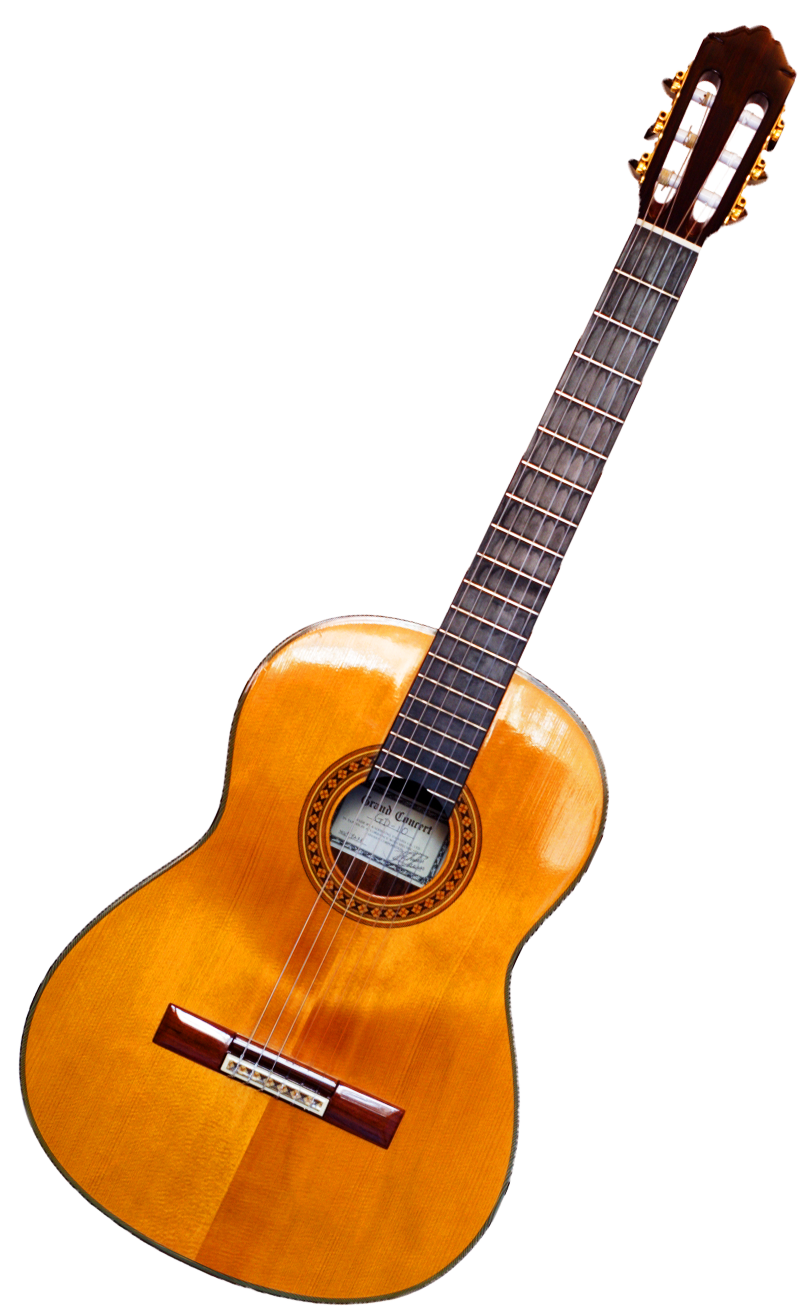
To get started, you'll need a guitar, a tuner, and a pick. You can choose between an acoustic or electric guitar, depending on your personal preference and the type of music you want to play. Consider visiting a music store to try out different models and get a feel for the instrument. You can also check out online reviews and tutorials on YouTube to learn more about different guitar models.
Step 1: Choose the Right Guitar
In this step, you'll learn how to tune your guitar. You can use a tuner or tune by ear, using a reference pitch from a piano or another instrument. Start with standard tuning and experiment with different tunings as you become more comfortable. You can use online tools, such as Guitar Tuna, to help you tune your guitar.
Step 2: Tune Your Guitar
Now it's time to learn basic chords. Start with simple chords like A, C, D, E, and G, and practice changing between them smoothly. You can find many online resources, such as Justin Guitar, that provide detailed chord charts and tutorials. For example, you can learn how to play a basic G chord or a C chord.
Step 3: Learn Basic Chords
In this step, you'll practice chord progressions, which are series of chords played in a specific order. Start with simple progressions like A-D-A or C-G-C, and gradually move on to more complex ones. The Beatles demonstrated that chord progressions are the foundation of many great songs. Experiment with different progressions and find ones that inspire you to create your own music. You can use online tools, such as Songsterr, to find chord progressions for your favorite songs.
Step 4: Practice Chord Progressions
Now it's time to learn simple songs. Start with songs that use the chords you've learned, and gradually move on to more complex songs. You can find many song tutorials online, such as on YouTube, that can help you learn your favorite songs. For example, you can learn how to play Sweet Child O' Mine by Guns N' Roses or Brown Eyed Girl by Van Morrison.
Step 5: Learn Simple Songs
Common mistakes to avoid include pressing the strings too hard, which can cause discomfort and affect your playing, and not practicing regularly, which can hinder your progress. Stay motivated by setting achievable goals and rewarding yourself for your progress. You can use online tools, such as Guitar Pro, to track your progress and set goals.
Common Mistakes & How to Avoid Them
The cost of a guitar can vary depending on the type and quality of the instrument. With consistent practice, you can expect to see significant improvement in your skills within 30 days. You can track your progress by recording yourself playing and measuring your improvement over time. For example, you can use a digital audio workstation, such as Ableton Live, to record and edit your music.
Cost & Time Breakdown
By following this guide, you can expect to learn basic chords, chord progressions, and simple songs within 30 days. With dedication and persistence, you can become a skilled guitarist and enjoy playing music for years to come. You can explore different genres, such as Jazz and Classical Music, and learn from legendary guitarists like Joe Satriani and Andy Guitar.
Expected Results & Metrics
For advanced techniques, consider learning music theory, which can help you understand the structure of music and improve your playing. You can use online resources, such as Music Theory, to learn more about music theory and its application to guitar playing. Joe Satriani recommends experimenting with different genres and styles to expand your musical knowledge and skills.
Key Facts
- Origin
- worldwide
- Category
- personal-growth
- Type
- topic
- Format
- how-to
Frequently Asked Questions
What type of guitar should I buy?
Consider buying an acoustic guitar if you're a beginner, as they are easier to play and less expensive than electric guitars. However, if you're interested in playing rock or metal music, an electric guitar may be a better choice. You can find many online resources, such as Guitar World, that provide detailed reviews and comparisons of different guitar models. For example, you can check out the Fender Stratocaster or the Gibson Les Paul.
How long does it take to learn basic chords?
With consistent practice, you can learn basic chords within a few weeks. Focus on building finger strength and dexterity, and practice chord shapes until they become second nature. You can find many online resources, such as Justin Guitar, that provide detailed chord charts and tutorials. For example, you can learn how to play a basic G chord or a C chord.
What are some common mistakes to avoid when playing guitar?
Common mistakes to avoid include pressing the strings too hard, which can cause discomfort and affect your playing, and not practicing regularly, which can hinder your progress. Stay motivated by setting achievable goals and rewarding yourself for your progress. You can use online tools, such as Guitar Pro, to track your progress and set goals.
How can I improve my guitar playing skills?
To improve your guitar playing skills, consider taking lessons from a qualified teacher, practicing regularly, and learning music theory. Experiment with different genres and styles, such as Jazz and Classical Music, to expand your musical knowledge and skills. You can use online resources, such as Music Theory, to learn more about music theory and its application to guitar playing.