The Science of Advanced Meditation: Unlocking Transcendent States
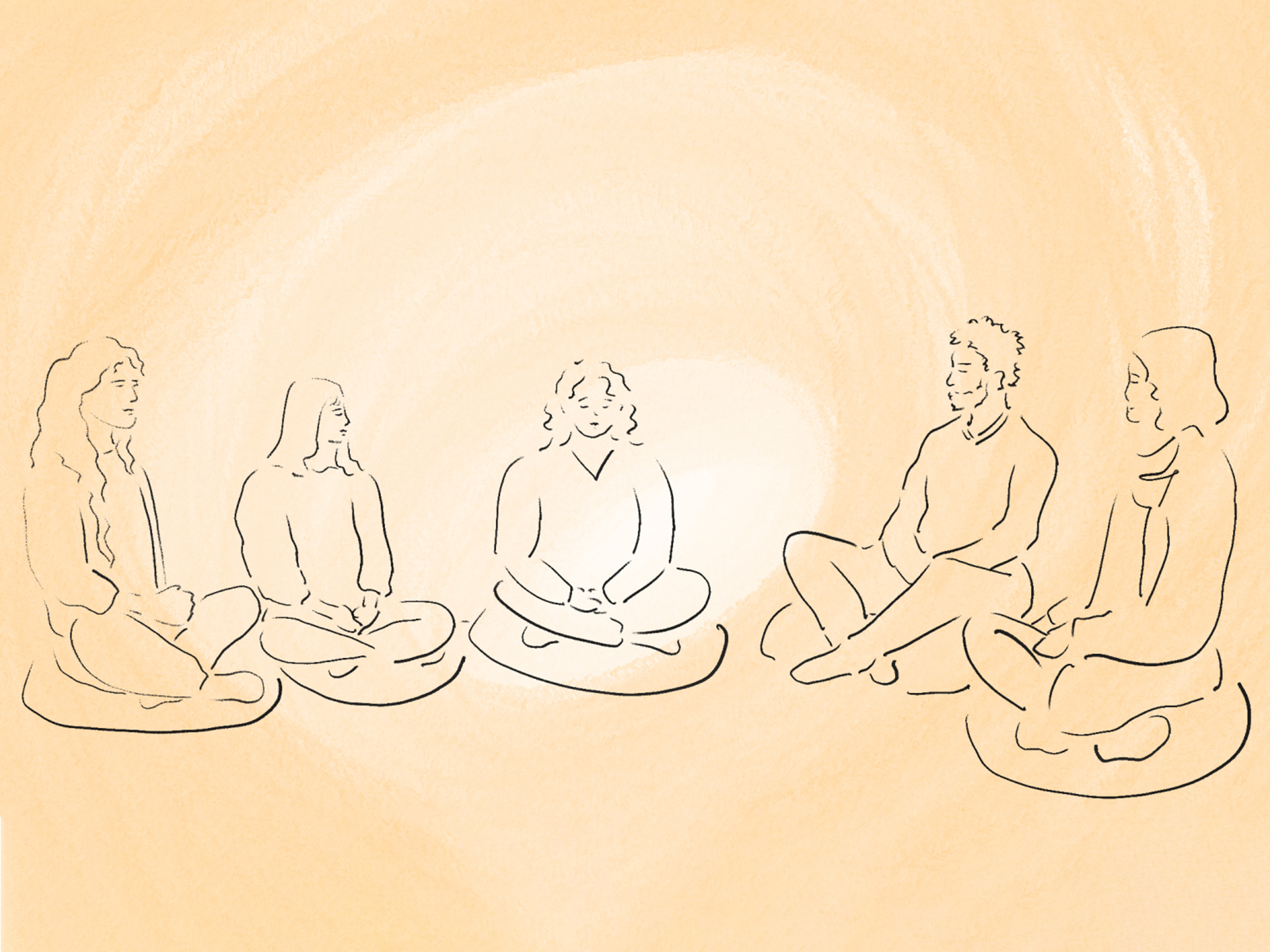
Mindfulness has become a mainstream phenomenon, with **300 million downloads** of the top 10 meditation apps worldwide. Research suggests that mindfulness reduc
Summary
Mindfulness has become a mainstream phenomenon, with **300 million downloads** of the top 10 meditation apps worldwide. Research suggests that mindfulness reduces **stress and anxiety** and improves **mood and emotional regulation**. However, **advanced meditation** may offer even greater benefits, including **transcendent states of mind and awareness**. The Massachusetts General Hospital Meditation Research Program, led by **Matthew Sacchet**, is pioneering studies in this field. [[mindfulness|Mindfulness]] and [[meditation|meditation]] have been shown to have a positive impact on both physical and mental health. The benefits of mindfulness and meditation are not limited to individuals, as they can also have a positive impact on **society as a whole**. By reducing stress and anxiety, mindfulness and meditation can help to create a more **peaceful and compassionate community**. Furthermore, the study of advanced meditation can provide insights into the **neurological and psychological mechanisms** underlying these practices, which can inform the development of new treatments for mental health disorders.
Key Takeaways
- The top 10 smartphone apps for meditation have cumulatively reached 300 million downloads worldwide
- Research suggests that mindfulness reduces stress and anxiety and improves mood and emotional regulation
- Advanced meditation may offer even greater benefits, including transcendent states of mind and awareness
- The scientific community needs to approach the topic with a critical eye and verify the results of these studies
- The accessibility and commercialization of meditation apps and programs raise concerns about exploitation and inequality
Balanced Perspective
While the research on advanced meditation is promising, it's essential to approach the topic with a **critical eye**. The scientific community needs to **verify the results** of these studies to ensure that the benefits of advanced meditation are not **overstated**. Additionally, the **accessibility** of these practices is a concern, as not everyone has access to meditation apps or the resources to practice advanced meditation. [[science|Science]] and [[research|research]] are essential for understanding the benefits and limitations of advanced meditation.
Optimistic View
The research on advanced meditation is a **game-changer** for mental health, offering a potential cure for **anxiety and depression**. With **300 million downloads** of meditation apps, it's clear that people are looking for alternative solutions to traditional therapy. The work of **Matthew Sacchet** and the Massachusetts General Hospital Meditation Research Program is **pioneering** and could lead to a new era of **mindfulness-based treatments**. [[mental-health|Mental health]] and [[wellness|wellness]] are critical components of overall health, and the study of advanced meditation can provide valuable insights into these areas.
Critical View
The hype surrounding advanced meditation is **overblown**, and the scientific community is **overselling** its benefits. The research is still in its **early stages**, and there's a lack of **standardization** in the field. Furthermore, the **commercialization** of meditation apps and programs raises concerns about **exploitation** and **inequality**. [[commercialization|Commercialization]] and [[inequality|inequality]] are critical issues that need to be addressed in the context of advanced meditation.
Source
Originally reported by Harvard Gazette